Sardine Run 2015
Detailed information about the Sardine Run off the coast of Port St John’s, including wildlife sightings, boat details, and dive requirements.
A “home base knowledge” package was offered for the Sardine Run from 20th June - 25th July 2015.
With a base located all year round in Port St John’s, Wild Coast, Transkei, the gateway to the sardine run, a highly experienced sardine run specialist team of skipper and dive guide offered a boat-based adventure for everyone, whether a diver or non-diver. All nature lovers, bird watchers, photography enthusiasts, dolphin and whale enthusiasts, snorkellers and scuba divers thoroughly enjoy this incredible event of nature, which has been likened to the land-based “Wildebeest migration of the Serengeti” and called “The Greatest shoal on earth”.
What is INCLUDED
- 5 full days of boat based viewing / diving / snorkelling the sardine run
- 6 night’s accommodation on a bed & breakfast rate, normally at Port St John’s River Lodge (www.portstjohnsriverlodge.co.za)
- On board boat refreshments – home-made food
- Cylinder & air fills
- Weight belt & weights
- Diver permits
- Highly qualified team of skipper & in water guide / boat guide
What is EXCLUDED
- Transfers to and from Port St John’s
- Lunch
- Dinner
- Equipment rental of BCD, Regulator, wetsuit, fins, mask & snorkel
- Additional land based activities
- Items of a personal nature
- Beverages
- Gratuities
- Taxes / flights
- Passport / visas
- Personal insurance
Accommodation Options
A variety of accommodation establishments in Port St John’s cater to most needs, ranging from bed & breakfast facilities to self-catering and backpacker options.
Sardine Run Information
The Sardine run is an ocean-related experience. Bearing in mind that the ocean realm is susceptible to weather conditions on a day-to-day basis and dealing with nature, a 6-night package stay is recommended for those wishing to scuba dive or snorkel with the action. This allows for bad weather scenarios and variable degrees of marine activity.
What You Could See on the Sardine Run
Sardines: A 10 – 20 cm up to 30 cm silver fish, bluish colour on top. Distinguishable by the row of 10 – 15 black spots on the flanks. These fish form vast shoals off the Agulhas Banks.
Predators:
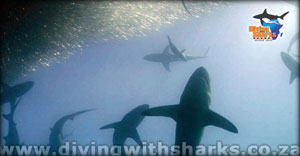
- Sharks: Copper sharks (Carcharhinus brachyurus), Spotted ragged tooth shark (Carcharias taurus), Blacktip sharks (Carcharhinus limbatus), Dusky sharks (Carcharhinus obscurus), Tiger sharks (Galeocerdo cuvier)
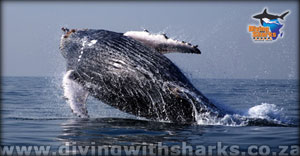
- Cetaceans: Common dolphins, Indian Ocean bottlenose dolphins, Killer whale, Bryde’s whale, Occasional pygmy killer whale
- Pinnipeds: Cape fur seals
- Birds: Cape Gannet, Petrels & Shearwaters, Blackbrowed Albatross, African penguin
Minimum Dive Qualification
Recreational scuba divers are recommended to have a minimum certification level of advanced diver and be able to sustain the level of fitness required on the sardine run. An Open Water diver qualification linked to sufficient experience in the ocean realm is accepted upon review. The sardine run is a high-risk and fast-action event, rated as “strenuous”, often occurring in limited visibility diving. It is aimed at the adventure seeker. Sharks are often encountered underwater, and intense, fast-moving action occurs when sardines meet their predators.
A Typical Day on the Sardine Run
Daily outings last for approximately 6 – 8 hours depending on sea conditions and the amount of activity. Outings can prove strenuous due to long boat rides and variable sea conditions. Departure time is usually between 07h30 and 08h00.
Each morning, the boat heads out from the Umzimvubu River, Port St John’s, following an African surf launch. The crew searches for action from whales, dolphins, ocean birds, and sardine activity. Sardine activity is usually located via large flocks of Cape gannets or large pods of common dolphins, supported by local communication networks and aerial flight reports.
Once sardines are located, the experienced crew determines whether the bait ball is fast-moving (requiring snorkel viewing) or static (allowing scuba equipment). Action is experienced by snorkellers, divers, and boat-based passengers alike.
About the Boats
Vessels used are 7.2m & 8m Feral RIBs powered by 2 x 85hp Yamaha outboards. Carrying capacity for the sardine run is limited to a maximum of 8 people to maximize space and comfort. Boats are certified by SAMSA and carry required safety equipment including oxygen, trauma kits, and communication devices.
About the Crew
Highly experienced sardine run skippers and dive guides are on board all vessels to ensure safety and provide information throughout the trip.
What to Bring on the Boat Each Day
- Sun protection (hat, sunglasses, sun block)
- Waterproof jacket (boats are equipped with PVC marine type jackets with hoods)
- Waterproof bag for personal items
- Camera, video equipment, binoculars (in a waterproof bag)
Important to Note
Due to African surf launch and beaching techniques, along with the possibility of choppy sea conditions, boat activities of this nature are not advised for those with limited mobility or frailty. Snorkelling or diving during the sardine run can be fast-paced and chaotic as predators chase prey, requiring a certain level of fitness.