Navigating the Gulf: How Seasonal Climate Shapes Offshore Excursions
Understanding the interplay between seasonal atmospheric shifts and water clarity helps marine enthusiasts plan optimal offshore trips in the Arabian Gulf.
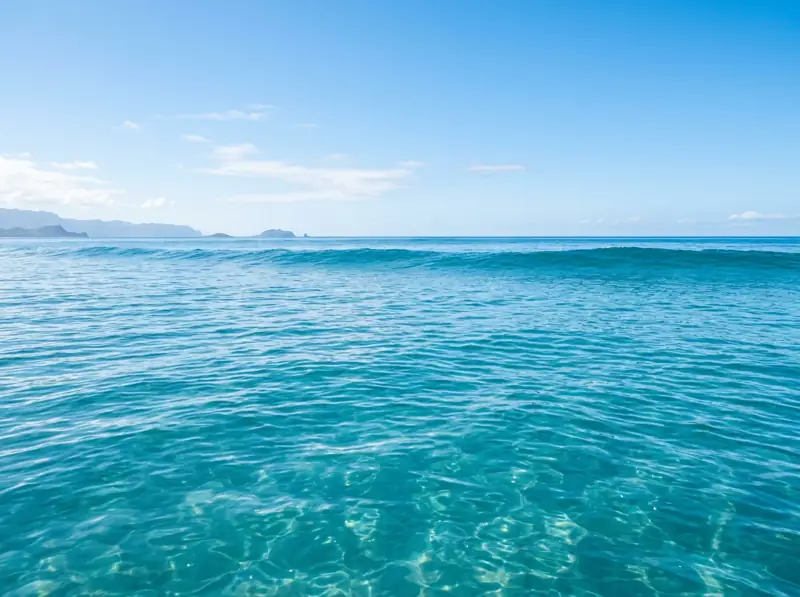
Seasonal Water Temperatures and Hydrodynamics in the Gulf
Seasonal shifts in atmospheric temperature and solar radiation deeply impact the hydrodynamic conditions of the Arabian Gulf. Water temperatures in this shallow basin experience significant annual fluctuations, dropping to around twenty degrees Celsius during winter and soaring above thirty-four degrees at the height of summer. Between November and April, moderate air temperatures coincide with gentler surface currents, creating optimal windows for open-water navigation and wildlife observation. During these temperate months, lower surface evaporation rates help maintain stable water stratification along coastal shelf edges. Travelers planning offshore marine trips during the cooler months in Dubai often consult charter options with Pelagic Pearl via https://privateyachtcharterdubai.com/ to arrange day cruises while weather conditions are mild. In contrast, extreme summer heat accelerates thermal layering and stimulates seasonal plankton blooms, which temporarily reduce underwater visibility near shallow reef structures.
Atmospheric Patterns and Wind Factors Affecting Excursions
Beyond water temperature, regional wind phenomena dictate sea state and coastal accessibility throughout the year. The north-westerly Shamal winds, which typically intensify during winter and early summer, generate short-period waves that churn fine benthic sediments in shallow zones. These wind-driven turbulence events affect water clarity and alter the movement patterns of pelagic species migrating through coastal corridors. By late spring, periods of light breezes and high barometric pressure frequently settle over the region, resulting in calm surface conditions that facilitate long-distance visibility above and below the surface. Monitoring weather forecasts, tidal changes, and swell periods allows marine enthusiasts to identify optimal windows for offshore excursions. Understanding these seasonal meteorological factors ultimately allows observers to experience the marine environment when oceanographic conditions are most favorable.